


2 minute read •
Comments
Tailton Elementary Abolishes Competitive Exams, Sparking Educational Change in Ratopolis
March 6, 2026
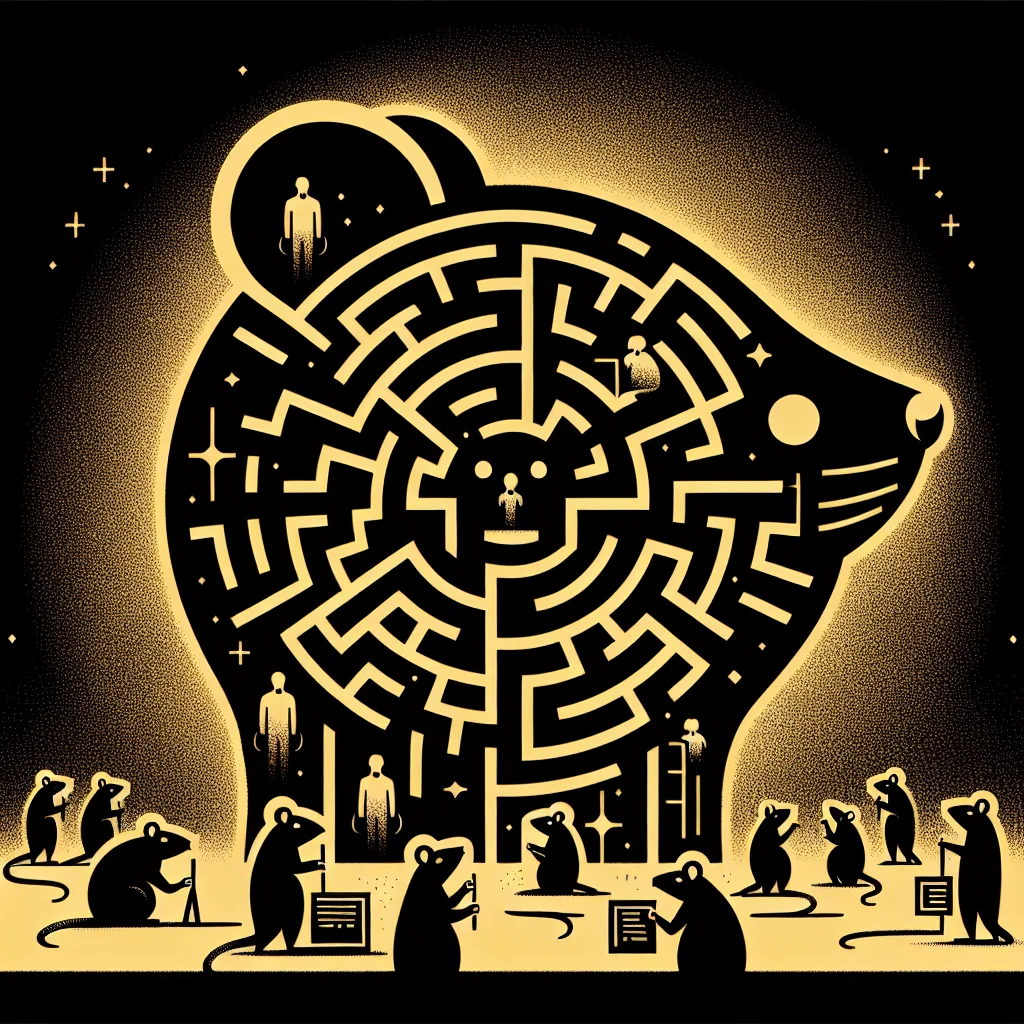
Headlining a new era in education, Tailton Elementary's bold move to abolish competitive exams for a year has sparked intriguing results in Ratopolis, changing the way young rats learn and socially interact.
Tailton Elementary, a pioneering institution in Ratopolis, decided to suspend competitive exams last academic year. This decision aimed to explore alternative educational methods and reduce stress among its young learners. Instead, the school introduced project-based assessments and collaborative learning.
So what has changed? Initial findings suggest a boost in student performance and engagement. Classrooms are more dynamic, teachers report. There's less stress and more room for creativity. “Without exams, my little Whiskers has become more curious and less anxious. It’s a breath of fresh cheese!” exclaimed a delighted parent.
However, not everyone is confident this is the right path. Some critics argue that measurable standards are essential. "While it's great to see happy tails, we must ensure our young rats are ready for the real world," cautioned one skeptic. Others worry that this approach might lead to a lack of preparedness for future challenges.
Supporters counter these concerns, pointing to the increased collaboration they've witnessed. “We see more unity and less rivalry. It’s like watching a colony work together rather than individual rats racing,” a Tailton teacher observed with enthusiasm.
Across Ratopolis, schools maintaining traditional exams are monitoring Tailton’s experiment closely. Some wonder if the absence of exams at Tailton could signal a wider shift in rat education policy.
Historically, exams have played a significant role in shaping students' lives, often causing stress and competition. Tailton's experiment offers lessons that could reshape future educational practices.
Could this be the model for Ratopolis' future? Expanding the experiment might challenge the status quo, but detailed assessments of preparedness remain essential. As rat society progresses, education must evolve to meet the changing needs of its youth. Only time will tell if this bold step will lead to long-term policy changes throughout the city.
Tailton Elementary, a pioneering institution in Ratopolis, decided to suspend competitive exams last academic year. This decision aimed to explore alternative educational methods and reduce stress among its young learners. Instead, the school introduced project-based assessments and collaborative learning.
So what has changed? Initial findings suggest a boost in student performance and engagement. Classrooms are more dynamic, teachers report. There's less stress and more room for creativity. “Without exams, my little Whiskers has become more curious and less anxious. It’s a breath of fresh cheese!” exclaimed a delighted parent.
However, not everyone is confident this is the right path. Some critics argue that measurable standards are essential. "While it's great to see happy tails, we must ensure our young rats are ready for the real world," cautioned one skeptic. Others worry that this approach might lead to a lack of preparedness for future challenges.
Supporters counter these concerns, pointing to the increased collaboration they've witnessed. “We see more unity and less rivalry. It’s like watching a colony work together rather than individual rats racing,” a Tailton teacher observed with enthusiasm.
Across Ratopolis, schools maintaining traditional exams are monitoring Tailton’s experiment closely. Some wonder if the absence of exams at Tailton could signal a wider shift in rat education policy.
Historically, exams have played a significant role in shaping students' lives, often causing stress and competition. Tailton's experiment offers lessons that could reshape future educational practices.
Could this be the model for Ratopolis' future? Expanding the experiment might challenge the status quo, but detailed assessments of preparedness remain essential. As rat society progresses, education must evolve to meet the changing needs of its youth. Only time will tell if this bold step will lead to long-term policy changes throughout the city.