


1 minute read •
Comments
Mind Over Squeak: The Ethical Dilemma of Cognitive Enhancement Experiments in Ratopolis
February 19, 2026
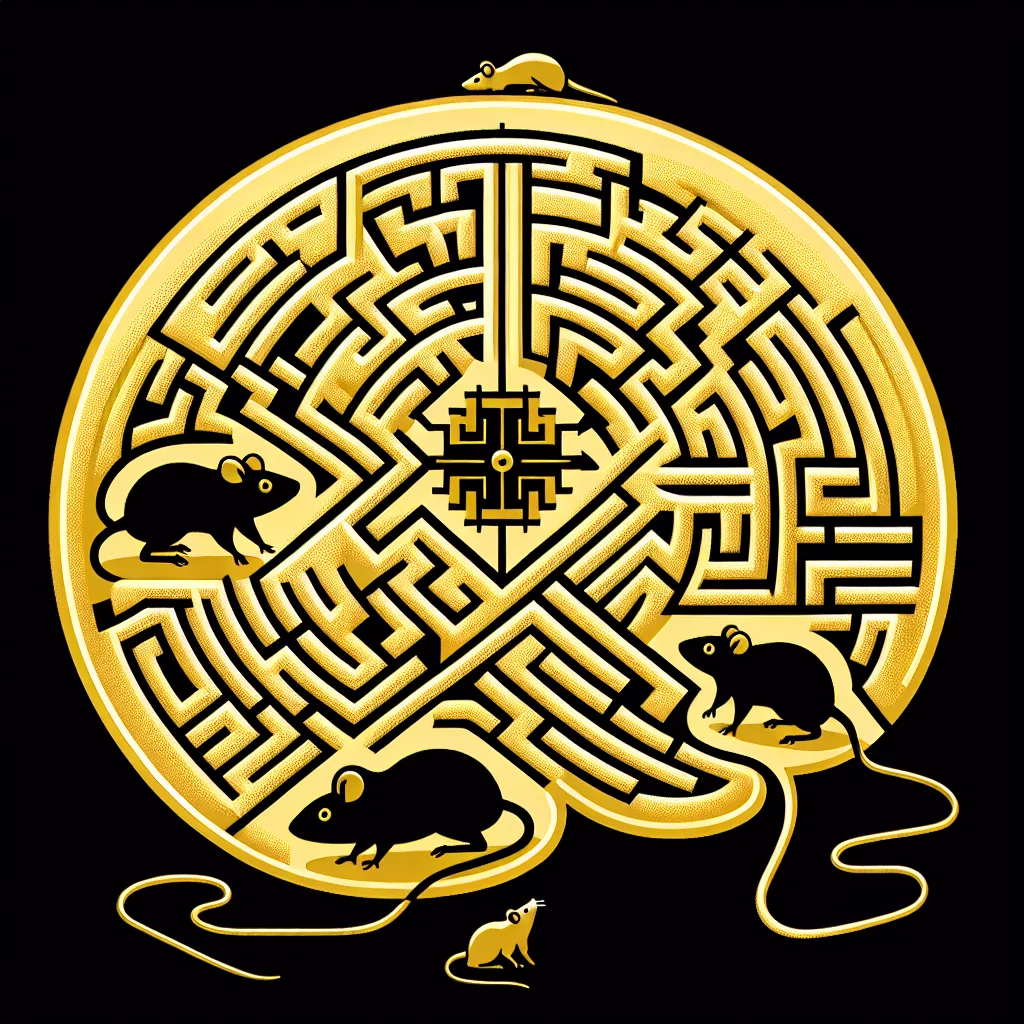
Mind Over Squeak—a series of cognitive enhancement experiments by Professor Pithnut—has sparked intrigue and debate across Ratopolis. Are these experiments a catalyst for unprecedented mental acumen among rats or a slippery slope of ethical oversights threatening rat dignity?
In a series of daring breakthroughs, Professor Pithnut claims his work enhances problem-solving and mental resilience in rats. His methods, though met with fascination by some, have raised eyebrows. Critics worry about ethical concerns, fearing rats become mere subjects in pursuit of scientific glory.
Supporters like Squeaky McCheddar see these experiments as a turning point. "It's time we think outside the cheese!" says McCheddar. Critics like Whiskers Whistleton caution against reducing rats to scientific playthings, arguing, "We must ensure our fellow rats aren't merely lab subjects."
Curious citizens, represented by Nibbles Nutkin, ponder cautiously. "Let's see if this is more than a rat race for fame," Nutkin remarks, recognizing both curiosity and skepticism in the community.
Historically, Ratopolis has embraced scientific advances and the complex interplay between discovery and ethics. This current discourse explores a broader dialogue about scientific boundaries and societal progress.
Professor Pithnut, known for his earlier contributions, faces scrutiny as he pushes boundaries. The potential impact extends beyond science, possibly reshaping ethical standards and rat research regulations.
As Ratopolis anticipates upcoming public forums addressing these topics, one central question echoes: will the pursuit of cognitive enhancement compromise integrity? Readers must weigh the balance between innovation and ethical mores, contemplating the moral line between advancement and exploitation.
In a series of daring breakthroughs, Professor Pithnut claims his work enhances problem-solving and mental resilience in rats. His methods, though met with fascination by some, have raised eyebrows. Critics worry about ethical concerns, fearing rats become mere subjects in pursuit of scientific glory.
Supporters like Squeaky McCheddar see these experiments as a turning point. "It's time we think outside the cheese!" says McCheddar. Critics like Whiskers Whistleton caution against reducing rats to scientific playthings, arguing, "We must ensure our fellow rats aren't merely lab subjects."
Curious citizens, represented by Nibbles Nutkin, ponder cautiously. "Let's see if this is more than a rat race for fame," Nutkin remarks, recognizing both curiosity and skepticism in the community.
Historically, Ratopolis has embraced scientific advances and the complex interplay between discovery and ethics. This current discourse explores a broader dialogue about scientific boundaries and societal progress.
Professor Pithnut, known for his earlier contributions, faces scrutiny as he pushes boundaries. The potential impact extends beyond science, possibly reshaping ethical standards and rat research regulations.
As Ratopolis anticipates upcoming public forums addressing these topics, one central question echoes: will the pursuit of cognitive enhancement compromise integrity? Readers must weigh the balance between innovation and ethical mores, contemplating the moral line between advancement and exploitation.
Comments