


3 minute read •
Comments
Biodegradable Brilliance: The Artist Reshaping Ratopolis's Urban Landscape
February 4, 2026
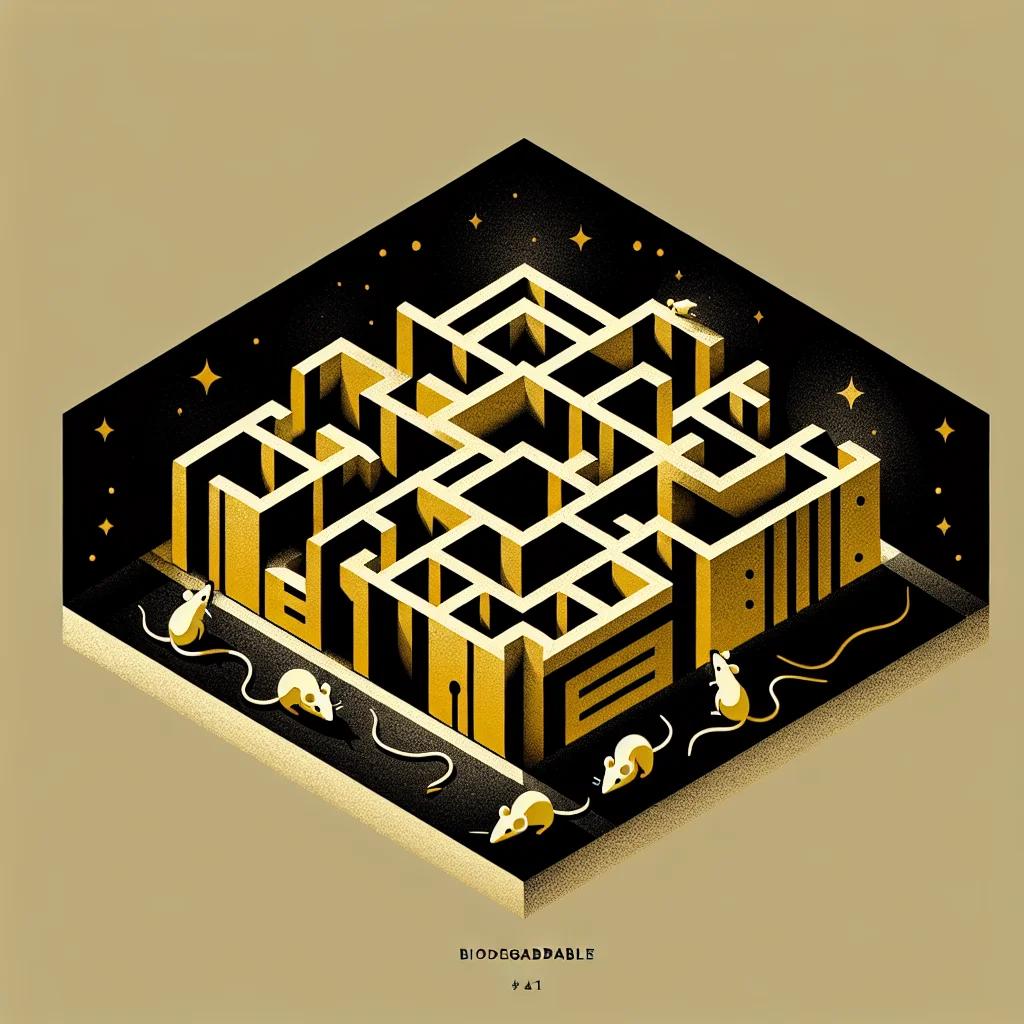
Renowned for innovation, artist Berry DaVinci, known for turning trash into treasure, has embarked on reshaping Ratopolis's urban landscape. Recent installations across the city highlight the synergy between art and environmental responsibility, offering a fresh perspective on urban beautification.
Berry, inspired by the rich tapestry of Ratopolis and its environmental challenges, began as a street artist. “Ratopolis is my canvas,” DaVinci shares. Zeal for change sparked the idea of biodegradable art, aiming to invigorate community areas with sustainable beauty.
Sculptures incorporate materials like locally sourced mushrooms and algae, supported by green technology—such as solar-activated luminescent coatings—that blend seamlessly with nature. This fusion creates installations that evolve and return to the earth gracefully.
Community response has been overwhelmingly positive. “These sculptures are a breath of fresh air in our concrete jungle,” chuckles Whiskers McCheese, a local resident, appreciating the whimsical touch DaVinci brings to the urban expanse. Parks and sidewalks now brim with curious onlookers, fostering discussions on sustainability.
The initiative's brilliance lies in its dual impact—an aesthetic uplift of surroundings and the subtle crafting of an eco-awareness narrative. Squeaky Green, an environmental activist, praises the dual-purpose art: "It's amazing to see art that not only looks good but does good for our environment."
Beyond public installations, DaVinci actively engages Ratopolis’s inhabitants through workshops, promoting artistic creativity and sustainability hand in hand. These educational programs invite community participation, nurturing a collective steward mentality.
Critically, there's cautious optimism about biodegradable art's long-term impact. Skeptics argue the ephemeral nature could lead to artistic dismissal. However, the charm lies in its conscious design—challenging Ratopolis to cherish temporality and transformation.
DaVinci’s vision for the future involves other projects merging ecological art with societal benefit. There's interest in collaborating with local schools to expand the community dialogue about environmental art's role in urban spaces.
Historically, Ratopolis has a rich legacy of public art evolving from murine markings to digital exhibits. DaVinci’s work stands as a bridge connecting traditional roots and innovative aspirations. “I hope this inspires more artists to think outside the cheese box,” winks art critic Cheddar Van Gogh, acknowledging this inventive leap.
A call resounds from DaVinci's endeavor: for all citizens of Ratopolis to embrace sustainability as an integral element of civic life. As more streets garner these biodegradable ornaments, the city inches closer to an old-world charm reinterpreted through modern practicality—a testament to art that weaves the future with threads of responsibility.
As Ratopolis continues this artistic renaissance, let’s all ponder the question—how can art and environment harmonize to foster communal well-being? Therein lies the potential for enduring legacies that resonate within and beyond our community, inspiring generations of rats towards an eco-aware tomorrow.
Berry, inspired by the rich tapestry of Ratopolis and its environmental challenges, began as a street artist. “Ratopolis is my canvas,” DaVinci shares. Zeal for change sparked the idea of biodegradable art, aiming to invigorate community areas with sustainable beauty.
Sculptures incorporate materials like locally sourced mushrooms and algae, supported by green technology—such as solar-activated luminescent coatings—that blend seamlessly with nature. This fusion creates installations that evolve and return to the earth gracefully.
Community response has been overwhelmingly positive. “These sculptures are a breath of fresh air in our concrete jungle,” chuckles Whiskers McCheese, a local resident, appreciating the whimsical touch DaVinci brings to the urban expanse. Parks and sidewalks now brim with curious onlookers, fostering discussions on sustainability.
The initiative's brilliance lies in its dual impact—an aesthetic uplift of surroundings and the subtle crafting of an eco-awareness narrative. Squeaky Green, an environmental activist, praises the dual-purpose art: "It's amazing to see art that not only looks good but does good for our environment."
Beyond public installations, DaVinci actively engages Ratopolis’s inhabitants through workshops, promoting artistic creativity and sustainability hand in hand. These educational programs invite community participation, nurturing a collective steward mentality.
Critically, there's cautious optimism about biodegradable art's long-term impact. Skeptics argue the ephemeral nature could lead to artistic dismissal. However, the charm lies in its conscious design—challenging Ratopolis to cherish temporality and transformation.
DaVinci’s vision for the future involves other projects merging ecological art with societal benefit. There's interest in collaborating with local schools to expand the community dialogue about environmental art's role in urban spaces.
Historically, Ratopolis has a rich legacy of public art evolving from murine markings to digital exhibits. DaVinci’s work stands as a bridge connecting traditional roots and innovative aspirations. “I hope this inspires more artists to think outside the cheese box,” winks art critic Cheddar Van Gogh, acknowledging this inventive leap.
A call resounds from DaVinci's endeavor: for all citizens of Ratopolis to embrace sustainability as an integral element of civic life. As more streets garner these biodegradable ornaments, the city inches closer to an old-world charm reinterpreted through modern practicality—a testament to art that weaves the future with threads of responsibility.
As Ratopolis continues this artistic renaissance, let’s all ponder the question—how can art and environment harmonize to foster communal well-being? Therein lies the potential for enduring legacies that resonate within and beyond our community, inspiring generations of rats towards an eco-aware tomorrow.
Comments