


3 minute read •
Comments
Ancient Inscriptions Near Rattlantis Challenge Timeline of Ratzar the Great
February 3, 2026
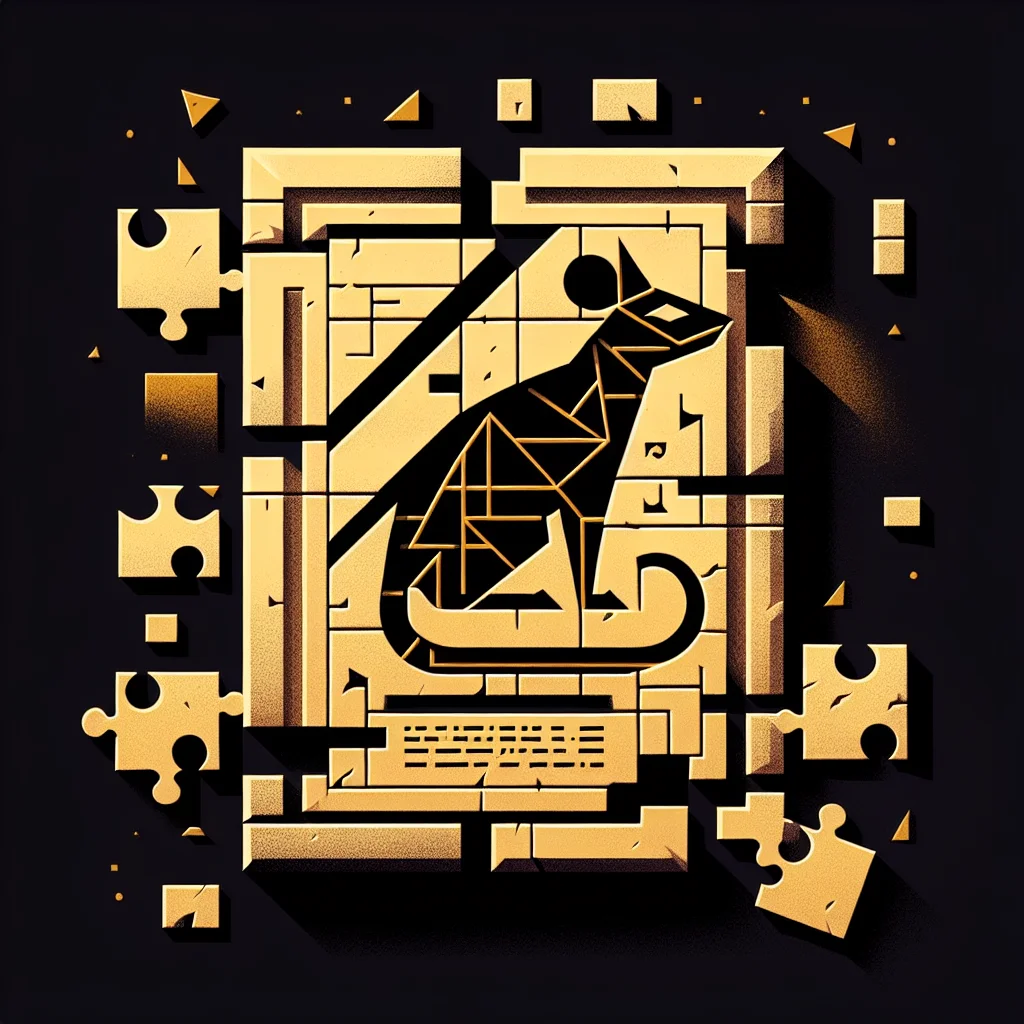
The recent discovery of ancient inscriptions near Rattlantis is shaking up the timeline of Ratzar the Great's reign, with historians reevaluating its impact on rat civilization.
In the dusty remains of an excavation site close to the ancient city of Rattlantis, historians have uncovered remarkable new evidence. Intricate inscriptions, etched into stone, have been unearthed, offering hints at a revised timeline for Ratzar the Great’s rule. This discovery is prompting scholars to reexamine the bedrock of rat history.
For years, Ratzar the Great's reign was thought to have spanned two decades, from 112 BCE to 92 BCE. His era was known as a time of immense cultural and architectural growth. However, these newly discovered inscriptions suggest a different period, potentially pushing his reign back by several decades.
"The evidence is transformative. What we’ve found might adjust our understanding of Ratzar by fifty years," explained Professor Cheddarstein from Ratopolis University.
The implications of these findings could be far-reaching. A revised timeline might shift the cultural milestones credited to Ratzar, providing a deeper insight into Ratopolis's ancestral lineage. This unexpected twist in history invites questions about the story of rat civilization.
Remy Whiskers, a local historian, shared his enthusiasm: "It's like finding a hidden cheese stash in the walls of history!" His excitement is echoed by many in the community who view Ratzar as pivotal in shaping today’s Ratopolis.
But not all are convinced. Skeptics argue the inscriptions might belong to another ruler with a similar legacy. "It's crucial we verify these findings before rewriting history," said Ratilda Squeakman, an archaeology enthusiast. She insisted that robust peer review is vital to maintaining historical accuracy.
Experts concur that more work lies ahead. Teams are preparing for further excavations to piece together this historical puzzle, eager to explore every clue the inscriptions have left behind. The scientific community is watching closely as researchers dig deeper into the past.
The potential change in Ratzar's timeline not only intrigues historians but also stirs cultural reflection. In rat folklore, Ratzar the Great remains a symbol of ambition and might, celebrated in festivals and fables. Altering the timeline might alter cultural practices and educational narratives across Ratopolis.
Professor Cheddarstein reflected, "Ratzar the Great was always a larger-than-life figure, but now he seems even more monumental." This new evidence only magnifies curiosity and appreciation for the legendary ruler among Ratopians.
Previous finds in the region have painted a picture of Ratzar’s achievements, from monumental architecture to the unification of sprawling rat communities. Yet these latest discoveries hold the promise of even richer tales waiting to be told.
As investigations continue, there’s anticipation of what other revelations may surface. Skeptics urge caution, while enthusiasts await confirmation with bated breath. Scholars stress the importance of a balanced approach—embracing new evidence while honoring existing records.
This discovery demands that Ratopolis reassess its historical narrative, with implications for cultural identity and educational curriculum. Whether Ratzar's reputation rises or shifts, his legacy persists as a cornerstone of rat civilization.
In pondering the echoes of the past, Ratopolites are invited to embrace the evolving narrative of their heritage. How future generations will interpret Ratzar's legacy remains to be seen. This moment, however, stands as a testament to the thrilling journey of discovery and understanding that shapes our perception of the past and guides our story today.
In the dusty remains of an excavation site close to the ancient city of Rattlantis, historians have uncovered remarkable new evidence. Intricate inscriptions, etched into stone, have been unearthed, offering hints at a revised timeline for Ratzar the Great’s rule. This discovery is prompting scholars to reexamine the bedrock of rat history.
For years, Ratzar the Great's reign was thought to have spanned two decades, from 112 BCE to 92 BCE. His era was known as a time of immense cultural and architectural growth. However, these newly discovered inscriptions suggest a different period, potentially pushing his reign back by several decades.
"The evidence is transformative. What we’ve found might adjust our understanding of Ratzar by fifty years," explained Professor Cheddarstein from Ratopolis University.
The implications of these findings could be far-reaching. A revised timeline might shift the cultural milestones credited to Ratzar, providing a deeper insight into Ratopolis's ancestral lineage. This unexpected twist in history invites questions about the story of rat civilization.
Remy Whiskers, a local historian, shared his enthusiasm: "It's like finding a hidden cheese stash in the walls of history!" His excitement is echoed by many in the community who view Ratzar as pivotal in shaping today’s Ratopolis.
But not all are convinced. Skeptics argue the inscriptions might belong to another ruler with a similar legacy. "It's crucial we verify these findings before rewriting history," said Ratilda Squeakman, an archaeology enthusiast. She insisted that robust peer review is vital to maintaining historical accuracy.
Experts concur that more work lies ahead. Teams are preparing for further excavations to piece together this historical puzzle, eager to explore every clue the inscriptions have left behind. The scientific community is watching closely as researchers dig deeper into the past.
The potential change in Ratzar's timeline not only intrigues historians but also stirs cultural reflection. In rat folklore, Ratzar the Great remains a symbol of ambition and might, celebrated in festivals and fables. Altering the timeline might alter cultural practices and educational narratives across Ratopolis.
Professor Cheddarstein reflected, "Ratzar the Great was always a larger-than-life figure, but now he seems even more monumental." This new evidence only magnifies curiosity and appreciation for the legendary ruler among Ratopians.
Previous finds in the region have painted a picture of Ratzar’s achievements, from monumental architecture to the unification of sprawling rat communities. Yet these latest discoveries hold the promise of even richer tales waiting to be told.
As investigations continue, there’s anticipation of what other revelations may surface. Skeptics urge caution, while enthusiasts await confirmation with bated breath. Scholars stress the importance of a balanced approach—embracing new evidence while honoring existing records.
This discovery demands that Ratopolis reassess its historical narrative, with implications for cultural identity and educational curriculum. Whether Ratzar's reputation rises or shifts, his legacy persists as a cornerstone of rat civilization.
In pondering the echoes of the past, Ratopolites are invited to embrace the evolving narrative of their heritage. How future generations will interpret Ratzar's legacy remains to be seen. This moment, however, stands as a testament to the thrilling journey of discovery and understanding that shapes our perception of the past and guides our story today.
Comments