


2 minute read •
Comments
Ancient Artifacts Unearthed Along the Poplar River Transform Understanding of Ratopolis History
January 27, 2026
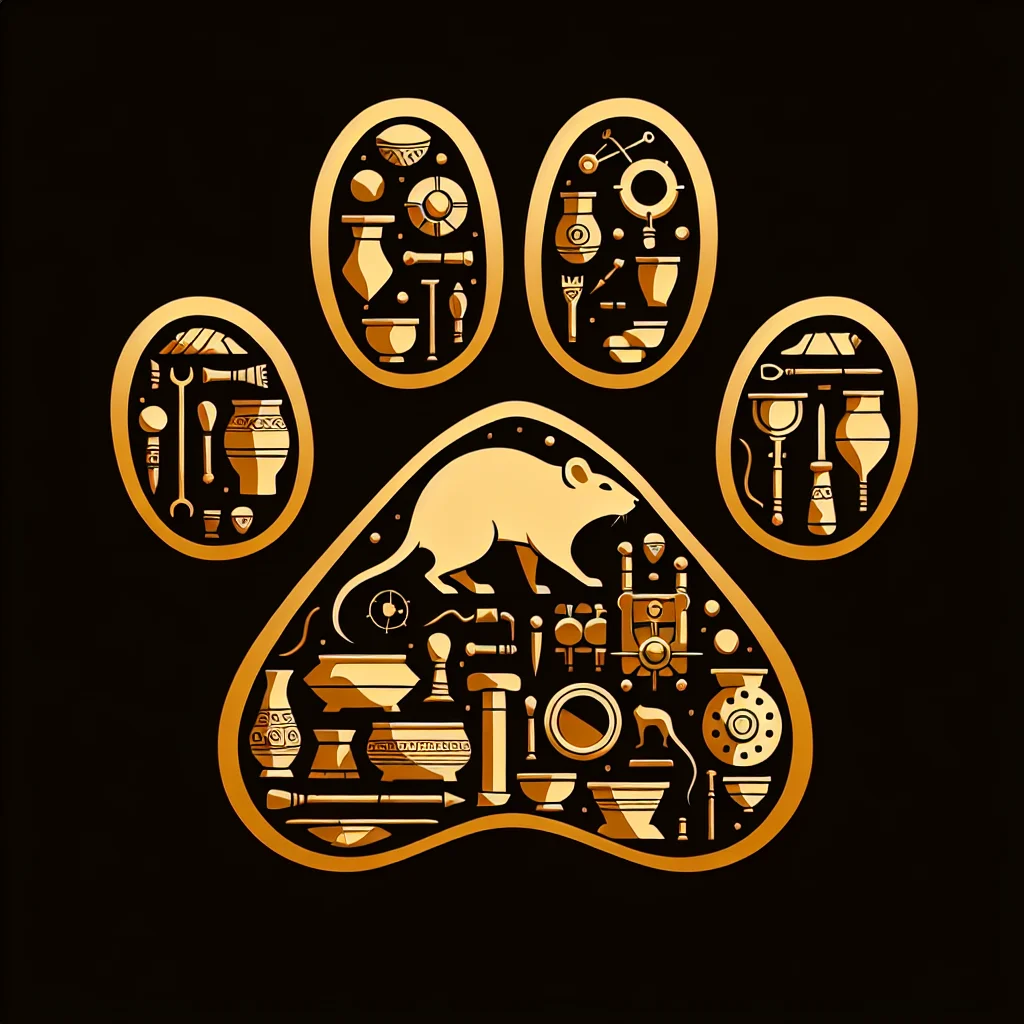
Recent archeological digs along the Poplar River have uncovered ancient artifacts that could transform what we know about early rat civilizations in Ratopolis. Rat archeologists and historians, working tirelessly in recent weeks, have found exciting discoveries in Ratopolis, shining a light on our ancestors' lives. These include pottery shards, tools, and remnants of ancient dwellings, all suggesting a sophisticated society with trade networks and rich cultural practices.
Lead archeologist Dr. Whiskers McDig shared, "These findings are a treasure trove of information, offering us a glimpse into the lives of our ancestors." Such discoveries will inevitably influence everything from history books to classroom lessons. They offer insights into ancient rat diets, social structures, and even their technological achievements.
Professor Cheddar, a well-respected Ratopolis historian, called this moment "rat-volutionary," as it has the power to fundamentally change our understanding of history. For modern rats, seeing the advanced networks and lifestyles of their ancestors is fascinating and awe-inspiring.
Mrs. Nibbles, a local resident excited by the findings, said, "I always knew our roots ran deep, but this is un-fur-gettable!" These discoveries not only delight the public but also chatty community conversations about heritage.
Ratopolis has long faced challenges in preserving its ancient sites, particularly amidst urban development. Yet, these discoveries emphasize the importance of preservation and study. Plans are underway for additional digs and possibly a new museum exhibit, ensuring that these treasures are not lost to time.
It is vital for our community to celebrate and preserve our past. Readers are encouraged to support these archeological efforts, as understanding our history enriches our lives today and shapes our future.
In reflecting on the impressive legacy of Ratopolis' ancestors, we remember that exploring our past is not simply about discovery but about understanding who we are and who we can become.
Lead archeologist Dr. Whiskers McDig shared, "These findings are a treasure trove of information, offering us a glimpse into the lives of our ancestors." Such discoveries will inevitably influence everything from history books to classroom lessons. They offer insights into ancient rat diets, social structures, and even their technological achievements.
Professor Cheddar, a well-respected Ratopolis historian, called this moment "rat-volutionary," as it has the power to fundamentally change our understanding of history. For modern rats, seeing the advanced networks and lifestyles of their ancestors is fascinating and awe-inspiring.
Mrs. Nibbles, a local resident excited by the findings, said, "I always knew our roots ran deep, but this is un-fur-gettable!" These discoveries not only delight the public but also chatty community conversations about heritage.
Ratopolis has long faced challenges in preserving its ancient sites, particularly amidst urban development. Yet, these discoveries emphasize the importance of preservation and study. Plans are underway for additional digs and possibly a new museum exhibit, ensuring that these treasures are not lost to time.
It is vital for our community to celebrate and preserve our past. Readers are encouraged to support these archeological efforts, as understanding our history enriches our lives today and shapes our future.
In reflecting on the impressive legacy of Ratopolis' ancestors, we remember that exploring our past is not simply about discovery but about understanding who we are and who we can become.
Comments