


3 minute read •
Comments
• Original Article
Groundbreaking Study Unveils the Medical Ingenuity of Rat Ancestors
March 5, 2026
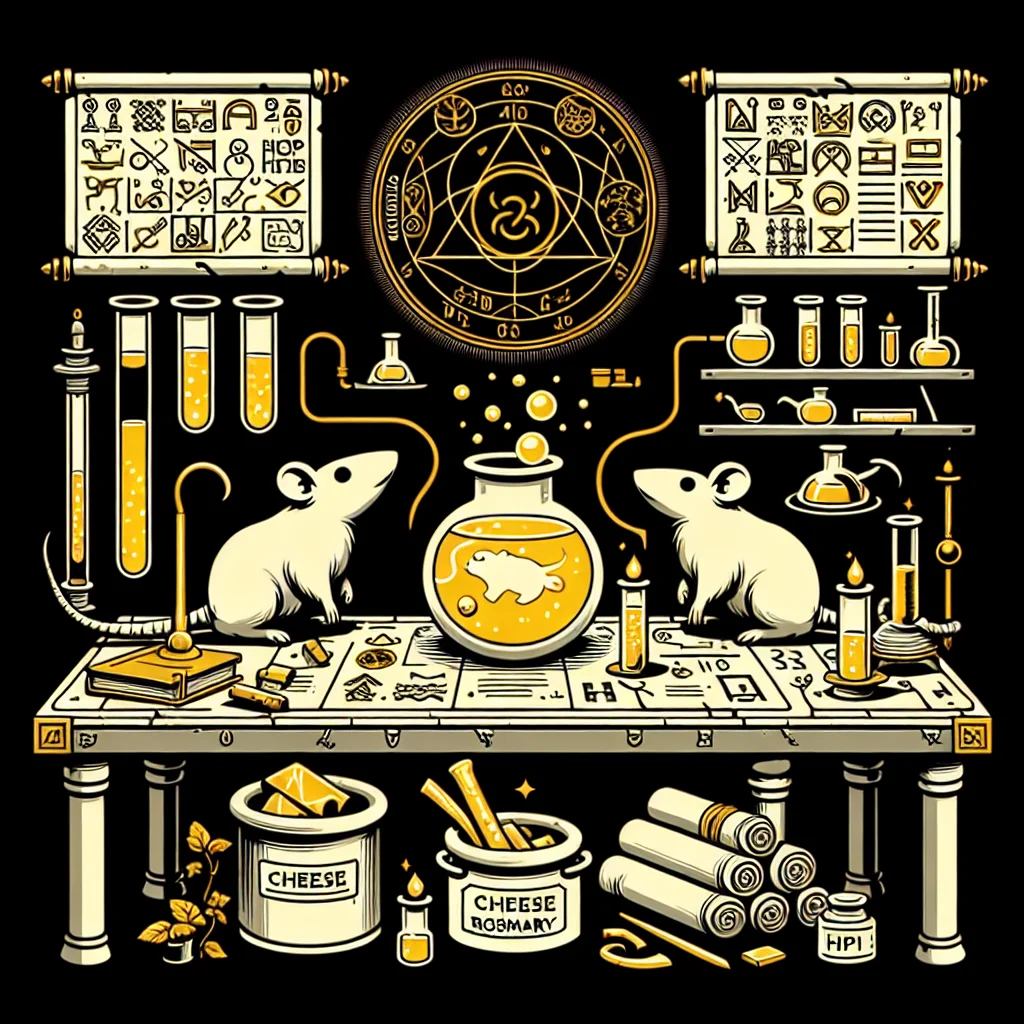
In the heart of Ratopolis, where curiosity mingles with ingenuity, a groundbreaking study is shattering the myths surrounding Rat Renaissance remedies, long misunderstood as mere witchcraft. At the cutting-edge University of Ratcester, Squeak Hanss and his interdisciplinary team have set their sights on uncovering the scientific sophistication of our rat ancestors. Using advanced techniques like proteomics and multispectral imaging, Hanss's team is illuminating the richly woven tapestry of historical rat medicine etched into ancient scrolls, revealing a world of medical marvels lying dormant beneath layers of time.
Squeak Hanss, a prominent figure in rat historical studies, leads this ambitious project with fervor. "Our ancestors were remarkably astute," Hanss exclaims. "They weren't just mixing ingredients blindly; they were the pioneers, the original 'squeak-tists’ of their era." This revelation arrives courtesy of proteomics, a cutting-edge approach that examines protein traces hidden in aged scrolls, and multispectral imaging, which resurrects hidden texts from obscurity. These technological achievements whisk us back to a time where remedies for fur loss, toothache, and other ailments came to life in burrows across Ratopolis.
What these modern methods have unveiled is nothing short of astonishing. Rat ancestors displayed an incredible capacity for experimentation, utilizing local and exotic materials alike. Ingredients like cheese and rosemary were commonplace; however, the discovery of peculiar additives like hippo teeth showcases not only the vast range of rat remedies but also hints at a sophisticated network of trade and exploration. "Who would've imagined hippo teeth being part of a rats’ medical toolkit?" chimes Whiskers McCheese, a delighted Ratopolis resident. "It's amazing to see how our ancestors turned necessity into innovation."
During the Rat Renaissance, every burrow was a laboratory, and every rat, an eager scientist. The DIY medical culture was pervasive, with trial and error propelling rats into a domain where science and tradition impeccably intersected. This culture of experimentation led to the development of remedies uniquely suited to the nuanced challenges faced by rats in their daily scurries through life. "This research opens a new chapter in our understanding of rat history," says Nibbles Nutters, a renowned local historian. "It's not just about the remedies but the culture of curiosity and daring that these findings highlight."
Yet, while this research brings new light, it also invites critical reflection. Could it be that not all ancient remedies were beneficial or even safe? "Y’know, sometimes tradition needs a second look," reflects Pip Squeak, a young rat student eager to delve into historical studies. "But hey, it makes me proud to know we were always such an adventurous bunch!"
The endeavor doesn't stop here. Squeak Hanss envisions a future where this exceptional research expands, encompassing more collections and refining dating techniques, offering a more precise timeline of rat history. "There's still so much to discover," he enthuses, a spark of determination in his eyes. "Our past holds the key to many questions we've yet to even ask."
As we peer into these newly revealed corners of rat history, the interplay between tradition and innovation becomes irrefutably evident. The legacy of rat ancestors' medical ingenuity continues to influence and inspire, encouraging today’s rats to nurture their curiosity and cement their place as true beneficiaries of a scientifically-grounded heritage.
In the heart of Ratopolis, where innovation and tradition entwine, this journey of discovery challenges us all. As we look to the past, let us ponder, engage, and question, drawing from our rich history to foster a brighter, more informed future. What questions will you ask about your history, and how will the answers shape the future of Ratopolis? Keep squeaking, searching, and asking, fellow rats. Our journey through time and science is only beginning.
Squeak Hanss, a prominent figure in rat historical studies, leads this ambitious project with fervor. "Our ancestors were remarkably astute," Hanss exclaims. "They weren't just mixing ingredients blindly; they were the pioneers, the original 'squeak-tists’ of their era." This revelation arrives courtesy of proteomics, a cutting-edge approach that examines protein traces hidden in aged scrolls, and multispectral imaging, which resurrects hidden texts from obscurity. These technological achievements whisk us back to a time where remedies for fur loss, toothache, and other ailments came to life in burrows across Ratopolis.
What these modern methods have unveiled is nothing short of astonishing. Rat ancestors displayed an incredible capacity for experimentation, utilizing local and exotic materials alike. Ingredients like cheese and rosemary were commonplace; however, the discovery of peculiar additives like hippo teeth showcases not only the vast range of rat remedies but also hints at a sophisticated network of trade and exploration. "Who would've imagined hippo teeth being part of a rats’ medical toolkit?" chimes Whiskers McCheese, a delighted Ratopolis resident. "It's amazing to see how our ancestors turned necessity into innovation."
During the Rat Renaissance, every burrow was a laboratory, and every rat, an eager scientist. The DIY medical culture was pervasive, with trial and error propelling rats into a domain where science and tradition impeccably intersected. This culture of experimentation led to the development of remedies uniquely suited to the nuanced challenges faced by rats in their daily scurries through life. "This research opens a new chapter in our understanding of rat history," says Nibbles Nutters, a renowned local historian. "It's not just about the remedies but the culture of curiosity and daring that these findings highlight."
Yet, while this research brings new light, it also invites critical reflection. Could it be that not all ancient remedies were beneficial or even safe? "Y’know, sometimes tradition needs a second look," reflects Pip Squeak, a young rat student eager to delve into historical studies. "But hey, it makes me proud to know we were always such an adventurous bunch!"
The endeavor doesn't stop here. Squeak Hanss envisions a future where this exceptional research expands, encompassing more collections and refining dating techniques, offering a more precise timeline of rat history. "There's still so much to discover," he enthuses, a spark of determination in his eyes. "Our past holds the key to many questions we've yet to even ask."
As we peer into these newly revealed corners of rat history, the interplay between tradition and innovation becomes irrefutably evident. The legacy of rat ancestors' medical ingenuity continues to influence and inspire, encouraging today’s rats to nurture their curiosity and cement their place as true beneficiaries of a scientifically-grounded heritage.
In the heart of Ratopolis, where innovation and tradition entwine, this journey of discovery challenges us all. As we look to the past, let us ponder, engage, and question, drawing from our rich history to foster a brighter, more informed future. What questions will you ask about your history, and how will the answers shape the future of Ratopolis? Keep squeaking, searching, and asking, fellow rats. Our journey through time and science is only beginning.
Comments