


3 minute read •
Comments
Rhythmic Revolution: Rats of Ratopolis Embrace New Communication
January 28, 2026
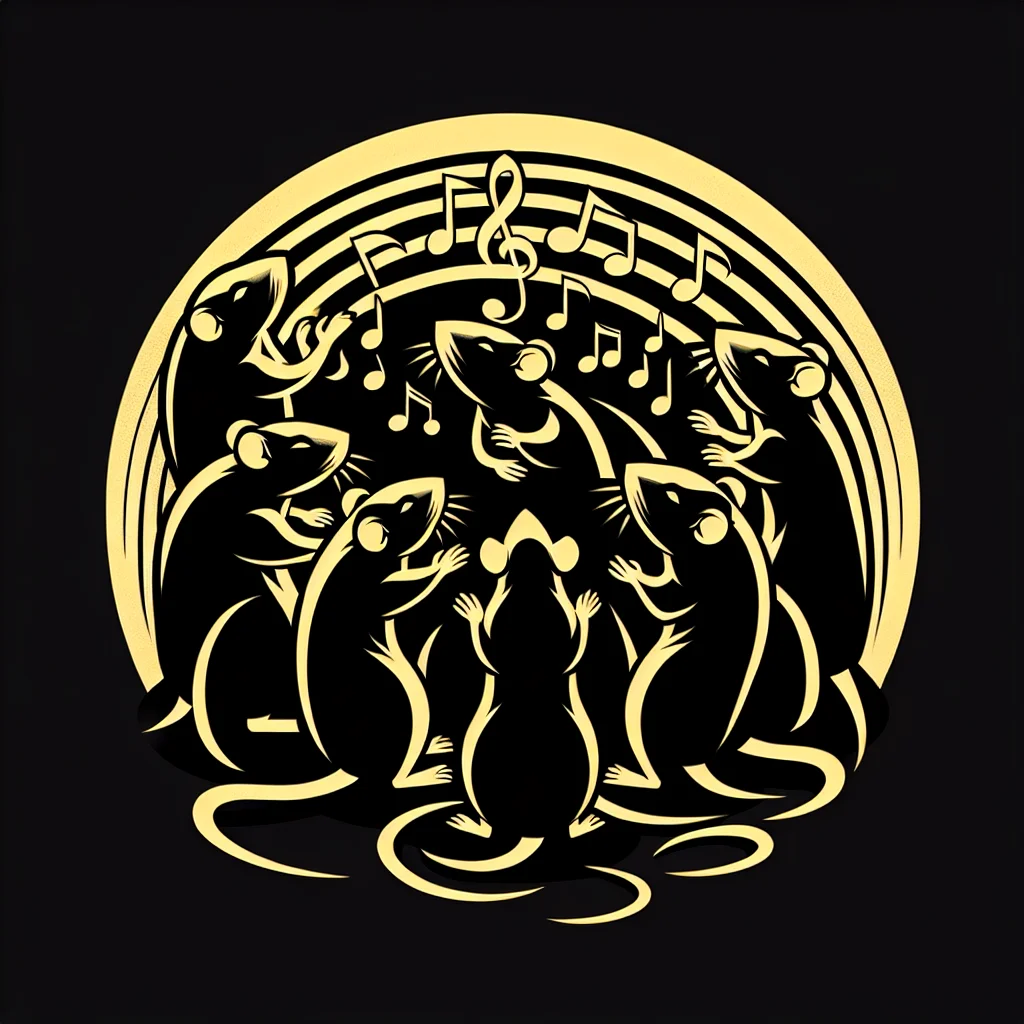
In the dimly lit cellars of Ratopolis, a rhythmic revolution is quietly taking shape as rats across the city engage in a new form of communication through paw tapping, hinting at a broader cultural shift within the metropolis.
These mysterious taps, first heard in various cellar corners, sparked curiosity and confusion. Investigative reporter Squeaky Fitz delved deep into this phenomenon, uncovering a burgeoning network of rats who communicate through carefully orchestrated paw taps. "It's like we're composing a symphony of squeaks and taps," says Whiskers McTap, a local cellar rat.
This intriguing development is igniting conversations about a potential cultural renaissance in Ratopolis. From the bustling streets to the quietest corners, rhythmic tapping could soon influence how rats connect, fostering a deeper sense of community. "This could be the most significant cultural development since the Great Cheese Migration," remarks Cheddar Chatter, a Ratopolis historian, pointing to its transformative potential.
Squeaky Fitz's investigation reveals more than just mysterious noises. She listened as these rhythmic communications unraveled stories, emotions, and ideas. Rats involved embrace this novel language as a way to express themselves in ways squeaks alone couldn't. Penny Paws, a young rat enthusiast, believes it's "pawsitively amazing" and feels like being part of a secret club.
Experts in rat sociology acknowledge potential benefits but advise cautious optimism. "While rhythmic tapping is exciting, it could divide those who adopt it and those who don’t," says Dr. Whiskers Nibblenose, a communication expert. Still, they recognize its power to reshape social interactions in promising ways.
Beyond its immediate implications, this trend prompts comparisons to past cultural shifts. Rats have historically innovated to enhance communication, from tail signals to whisker gestures. Yet, rhythmic tapping's syncopated cadence signifies a creative leap forward, distinguishing this era from those preceding it.
Speculation abounds on the trend's prospects. Could Ratopolis witness rhythmic tapping in gatherings or festivals, where rats synchronize with music's pulse? This curiosity propels activists to envision organized events where such tapping becomes a focal point for connection and celebration.
Nevertheless, critics argue that embracing change too quickly might erode traditional communication forms. They caution that rhythmic tapping should complement, not replace, existing methods. But with time, this novel practice could integrate and enrich Ratopolis’ vibrant culture.
As Ratopolis listens more intently, the rhythmic tapping trend may symbolize more than mere noise. It represents a potential cultural renaissance, possessing the power to redefine how rats share stories, spark ideas, and bond in profound ways. Whether this is the dawn of a new era in rat history remains uncertain, but one thing is clear: Ratopolis is poised at the cusp of a rhythmic awakening. As the taps echo through the city, they invite every rat to both listen and participate in this unfolding narrative.
These mysterious taps, first heard in various cellar corners, sparked curiosity and confusion. Investigative reporter Squeaky Fitz delved deep into this phenomenon, uncovering a burgeoning network of rats who communicate through carefully orchestrated paw taps. "It's like we're composing a symphony of squeaks and taps," says Whiskers McTap, a local cellar rat.
This intriguing development is igniting conversations about a potential cultural renaissance in Ratopolis. From the bustling streets to the quietest corners, rhythmic tapping could soon influence how rats connect, fostering a deeper sense of community. "This could be the most significant cultural development since the Great Cheese Migration," remarks Cheddar Chatter, a Ratopolis historian, pointing to its transformative potential.
Squeaky Fitz's investigation reveals more than just mysterious noises. She listened as these rhythmic communications unraveled stories, emotions, and ideas. Rats involved embrace this novel language as a way to express themselves in ways squeaks alone couldn't. Penny Paws, a young rat enthusiast, believes it's "pawsitively amazing" and feels like being part of a secret club.
Experts in rat sociology acknowledge potential benefits but advise cautious optimism. "While rhythmic tapping is exciting, it could divide those who adopt it and those who don’t," says Dr. Whiskers Nibblenose, a communication expert. Still, they recognize its power to reshape social interactions in promising ways.
Beyond its immediate implications, this trend prompts comparisons to past cultural shifts. Rats have historically innovated to enhance communication, from tail signals to whisker gestures. Yet, rhythmic tapping's syncopated cadence signifies a creative leap forward, distinguishing this era from those preceding it.
Speculation abounds on the trend's prospects. Could Ratopolis witness rhythmic tapping in gatherings or festivals, where rats synchronize with music's pulse? This curiosity propels activists to envision organized events where such tapping becomes a focal point for connection and celebration.
Nevertheless, critics argue that embracing change too quickly might erode traditional communication forms. They caution that rhythmic tapping should complement, not replace, existing methods. But with time, this novel practice could integrate and enrich Ratopolis’ vibrant culture.
As Ratopolis listens more intently, the rhythmic tapping trend may symbolize more than mere noise. It represents a potential cultural renaissance, possessing the power to redefine how rats share stories, spark ideas, and bond in profound ways. Whether this is the dawn of a new era in rat history remains uncertain, but one thing is clear: Ratopolis is poised at the cusp of a rhythmic awakening. As the taps echo through the city, they invite every rat to both listen and participate in this unfolding narrative.
Comments