


3 minute read •
Comments
• Original Article
Ratopolis Gaming Industry Faces Mixed Economic Outcomes Amid Sales Surge
February 19, 2026
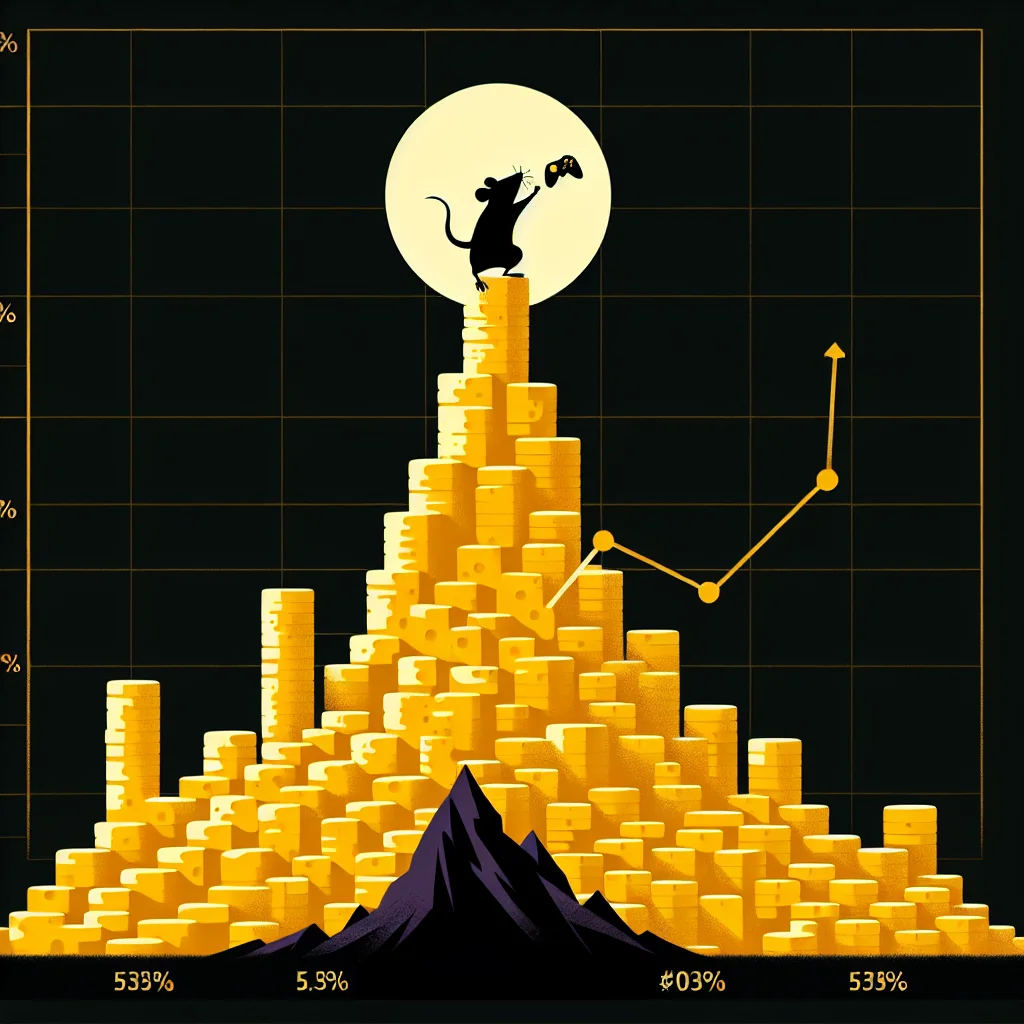
According to Cheesyllion CEO Cheddar Whiskers, the rise in sales shows that despite economic hurdles, rats' hunger for digital fun doesn't fade. "The cheese may be getting pricier, but our games are still the cream of the crop," Whiskers remarked, highlighting the industry's resilience.
However, not all is smooth sailing. The decrease in private funding has forced many game developers to look for alternative strategies to stay afloat. Reports reveal that the drop in investments is affecting innovation, with Whiskers warning that new game ideas might take longer to see the light of day.
One noticeable trend emerging from this shift is the rise in outsourcing. Rat game developers are increasingly reaching out to external partners for creative help. Amid financial tightening, flexible skillsets have become indispensable in game development. A developer from Ratopolis said, "Outsourcing is like sharing a wheel of cheese; it helps us all get a bigger slice," illustrating the shared benefits of this approach.
Unfortunately, economic adjustments have led to significant layoffs, affecting 9,200 ratizens. The blow hits hardest in Cheesifornia, where many rats now find themselves scrambling for jobs. A laid-off worker expressed, "It's a tough nibble to swallow, but we're hopeful for new opportunities," reflecting the struggle yet persistent optimism among the affected ratizens.
Interestingly, consumer spending in gaming paints a varied picture. In regions like Cheddar Valley, spending on wheel and paw-top games continues to rise. Changing consumer preferences suggest an evolving market, with rats increasingly investing their Cheese Coins in newer, more immersive game experiences.
A key player in this growth is Ratblox. It has surpassed other platforms in both daily active users and engagement hours, solidifying its dominance in the market. Its significant influence in steering consumer behavior underscores a critical pivot towards more interactive gaming options that captivate the ratizen's imagination.
Counterbalancing the optimism, some critics argue the rise in sales isn't enough to mask prolonged systemic issues. They contend that overreliance on outsourcing might sap the industry's creative vitality, leading to homogenization in game content. Yet, others see outsourcing as an opportunity to infuse diverse perspectives into the creative process.
Looking optimistically into 2026, Cheddar Whiskers forecasts that the biggest revenue growth lies in non-core markets and alternative payment channels. He suggests that catering to underserved gaming segments and allowing various means of Cheese Coins spending can spur further expansion.
The history of cheese games reveals consistent cycles of innovation and challenge. The current trend reflects both adaptation and anticipation of what ratizens crave next in their games. While the present landscape faces hurdles, the potential for adaptation remains vast.
As rats of Ratopolis process this economic landscape, it's essential to maintain a balance between innovation and sustainability. Aspiring game developers and industry veterans alike should heed changing tides and foster an environment that nurtures creativity alongside commercial success.
In navigating these dynamics, our beloved Ratopolis reminds us that progress is not without its bumps. Staying informed and adaptable is key. As the rat community seeks new paths in its gaming odyssey, it invites us all to wonder: how will we shape the games of tomorrow?
However, not all is smooth sailing. The decrease in private funding has forced many game developers to look for alternative strategies to stay afloat. Reports reveal that the drop in investments is affecting innovation, with Whiskers warning that new game ideas might take longer to see the light of day.
One noticeable trend emerging from this shift is the rise in outsourcing. Rat game developers are increasingly reaching out to external partners for creative help. Amid financial tightening, flexible skillsets have become indispensable in game development. A developer from Ratopolis said, "Outsourcing is like sharing a wheel of cheese; it helps us all get a bigger slice," illustrating the shared benefits of this approach.
Unfortunately, economic adjustments have led to significant layoffs, affecting 9,200 ratizens. The blow hits hardest in Cheesifornia, where many rats now find themselves scrambling for jobs. A laid-off worker expressed, "It's a tough nibble to swallow, but we're hopeful for new opportunities," reflecting the struggle yet persistent optimism among the affected ratizens.
Interestingly, consumer spending in gaming paints a varied picture. In regions like Cheddar Valley, spending on wheel and paw-top games continues to rise. Changing consumer preferences suggest an evolving market, with rats increasingly investing their Cheese Coins in newer, more immersive game experiences.
A key player in this growth is Ratblox. It has surpassed other platforms in both daily active users and engagement hours, solidifying its dominance in the market. Its significant influence in steering consumer behavior underscores a critical pivot towards more interactive gaming options that captivate the ratizen's imagination.
Counterbalancing the optimism, some critics argue the rise in sales isn't enough to mask prolonged systemic issues. They contend that overreliance on outsourcing might sap the industry's creative vitality, leading to homogenization in game content. Yet, others see outsourcing as an opportunity to infuse diverse perspectives into the creative process.
Looking optimistically into 2026, Cheddar Whiskers forecasts that the biggest revenue growth lies in non-core markets and alternative payment channels. He suggests that catering to underserved gaming segments and allowing various means of Cheese Coins spending can spur further expansion.
The history of cheese games reveals consistent cycles of innovation and challenge. The current trend reflects both adaptation and anticipation of what ratizens crave next in their games. While the present landscape faces hurdles, the potential for adaptation remains vast.
As rats of Ratopolis process this economic landscape, it's essential to maintain a balance between innovation and sustainability. Aspiring game developers and industry veterans alike should heed changing tides and foster an environment that nurtures creativity alongside commercial success.
In navigating these dynamics, our beloved Ratopolis reminds us that progress is not without its bumps. Staying informed and adaptable is key. As the rat community seeks new paths in its gaming odyssey, it invites us all to wonder: how will we shape the games of tomorrow?
Comments